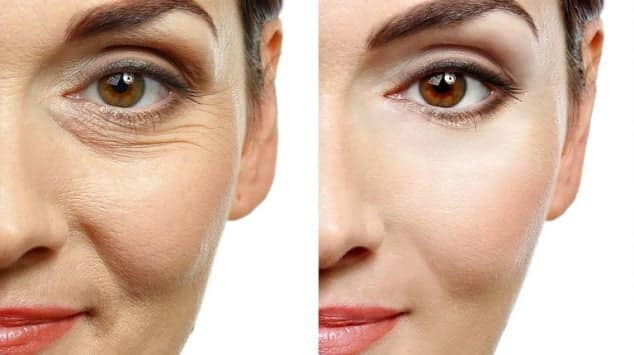
Botox isn’t a one-size-fits-all treatment. Two patients addressing the same area of the face can end up with noticeably different treatment plans. That variation comes down to a handful of individual factors rather than any single standard dose.
What Determines Treatment Amount
Muscle Strength and Size
Facial muscles vary in size and strength from person to person. Patients with stronger or larger muscles in a treatment area, often more common in men, may require a higher amount of product to achieve a comparable effect to someone with smaller, less active muscles.
The Specific Area Being Treated
Different areas of the face require different amounts of product based on the size and function of the muscles involved. Forehead lines, frown lines, and crow’s feet each involve distinct muscle groups with their own typical range.
Depth and Severity of Lines
More pronounced or deeply set lines, often the result of years of repeated muscle movement, may require a more thorough treatment approach compared to finer, less established lines.
Skin Quality and Thickness
Skin thickness and elasticity also factor into how visible a result appears, since thinner skin tends to show the softening effect of relaxed muscles more readily than thicker, denser skin in the same area.
How Age Plays a Role
Younger Patients Often Need Less
Patients in their twenties or early thirties seeking preventive treatment before lines become deeply set often require less product than those addressing more established lines that have developed over decades.
Long-Standing Muscle Patterns in Older Patients
For patients with years of repeated muscle movement contributing to more defined lines, achieving a comparable smoothing effect may involve a more tailored treatment plan based on that individual muscle pattern.
Why Preventive Treatment Sometimes Uses a Different Approach
Patients treating early, before lines are visible at rest, are often working toward a different goal than patients addressing lines that show even when the face is relaxed. This distinction affects both the amount used and how a provider plans future sessions.
Why Treatment Goals Affect the Plan
Subtle Softening Versus More Noticeable Change
Some patients want a subtle softening of movement while retaining a natural range of expression. Others prefer a more thorough reduction in muscle activity in a specific area. These differing goals directly affect how much product is used and where it’s placed.
Treating Multiple Areas at Once
Patients addressing several areas in a single visit, such as the forehead, frown lines, and crow’s feet together, naturally require more total product than someone focused on just one area.
Balancing Symmetry Across the Face
Since most faces have some natural asymmetry in muscle strength, a provider may adjust the amount used on each side individually to achieve a more even, balanced result rather than applying an identical amount throughout.
The Role of Metabolism and Individual Response
Everyone Processes Botox a Little Differently
Metabolic rate can influence how quickly the effects of Botox wear off, which means some patients notice results lasting a bit longer or shorter than the typical range, independent of how much product was used initially.
Building a Treatment History Over Time
For patients who return for maintenance treatments, tracking how their specific muscles responded to previous sessions helps refine the amount and placement used in future visits.
Why First Treatments Sometimes Differ From Later Ones
A provider may start with a more conservative amount during a first treatment to observe how a patient’s muscles respond, then adjust slightly in future sessions based on that initial result.
Why a Personalized Consultation Matters
There’s No Standard Dose That Fits Everyone
Because muscle strength, treatment area, skin condition, and personal goals all vary, a consultation is the only reliable way to determine what a specific treatment plan should look like for your face.
Assessing Your Muscle Movement Directly
During a consultation, your provider observes how your specific facial muscles move when frowning, smiling, or raising your eyebrows, which informs exactly where and how much product is recommended.
Setting Realistic Expectations Based on Your Plan
Results Vary From Patient to Patient
Because treatment plans are individualized, comparing your results to someone else’s experience isn’t always a useful measure. What matters is how the plan is tailored to your own muscle patterns and goals.
Follow-Up Adjustments Are Normal
It’s common for a provider to fine-tune future treatments based on how you responded to a previous session, which is part of why an ongoing relationship with the same provider can lead to more consistent results over time.
Questions Worth Bringing to Your Consultation
Asking directly about how many units are typically used for your areas of interest, how your specific muscle strength might affect the plan, and what kind of follow-up schedule makes sense for your goals all help set clear expectations before your first treatment begins.
Curious What a Treatment Plan Would Look Like for You?
Everyone’s face responds differently, which is exactly why a personalized consultation matters more than following a general standard. Our Kelowna dentist can assess your specific muscle patterns and walk you through what Botox in Kelowna would look like for your goals.
Discover Dental
(778) 477-5554
Book a Botox consultation with your Kelowna dentist