Gum recession is a common dental concern that affects patients of all ages. When gum tissue pulls back from the teeth, it can expose tooth roots, increase sensitivity, and leave teeth more vulnerable to damage. In moderate to advanced cases, gum grafting may be recommended to protect oral health and restore stability.
At Discover Dental, patients frequently ask whether gum grafting is necessary and, if so, which type of graft is best. This guide explains the most common types of gum grafts, how they differ, and what factors a Dentist in Kelowna considers when recommending a specific technique.
Understanding Gum Recession
Gum recession happens when gum tissue gradually wears away or pulls back from the tooth surface. This exposes the root, which is not protected by enamel.
Common causes of recession include:
- Aggressive brushing
- Gum disease
- Genetics
- Teeth grinding or clenching
- Orthodontic movement
- Thin or delicate gum tissue
Left untreated, recession can worsen over time and lead to sensitivity, root decay, or tooth instability.
What Is Gum Grafting?
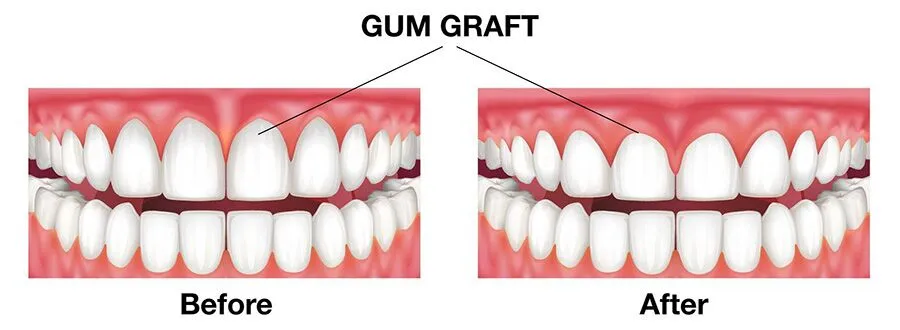
Gum grafting is a dental procedure that adds tissue to areas where gums have receded. The goal is not only to cover exposed roots but also to strengthen gum tissue and reduce future recession.
Gum grafting may help:
- Reduce tooth sensitivity
- Protect exposed roots
- Improve gum thickness
- Support long-term tooth stability
A Kelowna Dentist evaluates the extent of recession and overall gum health before recommending treatment.
Why There Are Different Types of Gum Grafts
Not all gum recession cases are the same. Factors such as the amount of tissue loss, gum thickness, tooth position, and oral health all influence which grafting technique is most appropriate.
The most commonly used gum graft techniques include:
- Connective tissue grafts
- Free gingival grafts
- Pedicle (lateral) grafts
Each technique serves a different purpose and is selected based on individual needs.
1. Connective Tissue Grafts
What Is It?
This is the most commonly performed gum grafting technique. Tissue is taken from beneath the surface layer of the palate and placed over the exposed root.
When It’s Used
- Moderate to advanced gum recession
- Root exposure is causing sensitivity
- Areas needing stronger gum support
Benefits
- Natural-looking results
- Effective root coverage
- Strong tissue integration
Connective tissue grafts are often recommended when both function and long-term protection are priorities.
2. Free Gingival Grafts
What Is It?
In this technique, a thin layer of tissue is removed directly from the roof of the mouth and placed on the receded area.
When It’s Used
- Thin gum tissue
- Early-stage recession
- Preventive strengthening of gums
Benefits
- Increases gum thickness
- Helps prevent further recession
- Supports long-term stability
Free gingival grafts are often used when the goal is to reinforce tissue rather than fully cover exposed roots.
3. Pedicle (Lateral) Grafts
What Is It?
Instead of taking tissue from another area of the mouth, nearby gum tissue is repositioned to cover the exposed root.
When It’s Used
- Mild to moderate recession
- Adequate healthy gum tissue nearby
- Localized treatment areas
Benefits
- No donor site required
- Good colour and texture match
- Faster healing for some patients
This option is only suitable when the surrounding gum tissue is healthy and sufficient.
How Your Dentist Chooses the Right Technique
Choosing the best gum graft technique depends on several clinical factors.
A Dentist Kelowna patients trust will carefully assess:
- Severity and location of recession
- Gum thickness
- Tooth alignment and bite forces
- Overall oral health
- Patient comfort and healing expectations
No single technique is considered “best” for everyone—personalized assessment is essential.
What to Expect During the Healing Process
Recovery from gum grafting varies by technique and individual healing response, but most patients experience mild discomfort that improves within a few days.
General recovery guidance may include:
- Eating softer foods temporarily
- Avoid aggressive brushing near the area
- Following post-treatment care instructions
- Attending follow-up visits
Your dentist will provide specific instructions based on the graft type used.
Does Gum Grafting Stop Recession Permanently?
Gum grafting helps protect areas affected by recession, but it does not prevent all future gum changes. Maintaining results depends on good oral hygiene and habit management.
Long-term success is supported by:
- Gentle brushing technique
- Routine dental care
- Managing grinding or clenching
- Treating gum inflammation early
A Dentist in Kelowna will also monitor grafted areas during regular checkups.
Is Gum Grafting Always Necessary?
Not every case of gum recession requires grafting. Mild recession may be managed through monitoring, habit changes, and preventive care.
Grafting is typically recommended when:
- Roots are exposed
- Sensitivity is significant
- Gum tissue is thin and unstable
- The recession is progressing
Evaluation ensures treatment is appropriate—never excessive.
A Local Perspective: Gum Care in Kelowna
Patients seeking a Kelowna Dentist often prioritize long-term oral health and preventive care. In Kelowna’s active community, factors like stress, athletic habits, and oral hygiene techniques can influence gum health over time.
At Discover Dental, gum care focuses on education, personalized treatment, and protecting natural teeth for the long term.
When to Book a Gum Evaluation
You should consider a professional evaluation if you notice:
- Teeth appearing longer
- Increased sensitivity to temperature
- Visible gum recession
- Tender or inflamed gum tissue
Early assessment helps prevent more advanced issues.
Final Thoughts
Gum grafting is a well-established procedure used to manage gum recession and protect exposed tooth roots. Understanding the different grafting techniques helps patients feel informed and confident when discussing treatment options.
The best grafting approach is always the one tailored to your individual oral health needs.
Schedule a Gum Health Consultation at Discover Dental
If you’re concerned about gum recession or want to explore treatment options, the team at Discover Dental is here to help.
Book an appointment today with a trusted Dentist in Kelowna and receive personalized guidance focused on protecting your smile and maintaining long-term gum health.