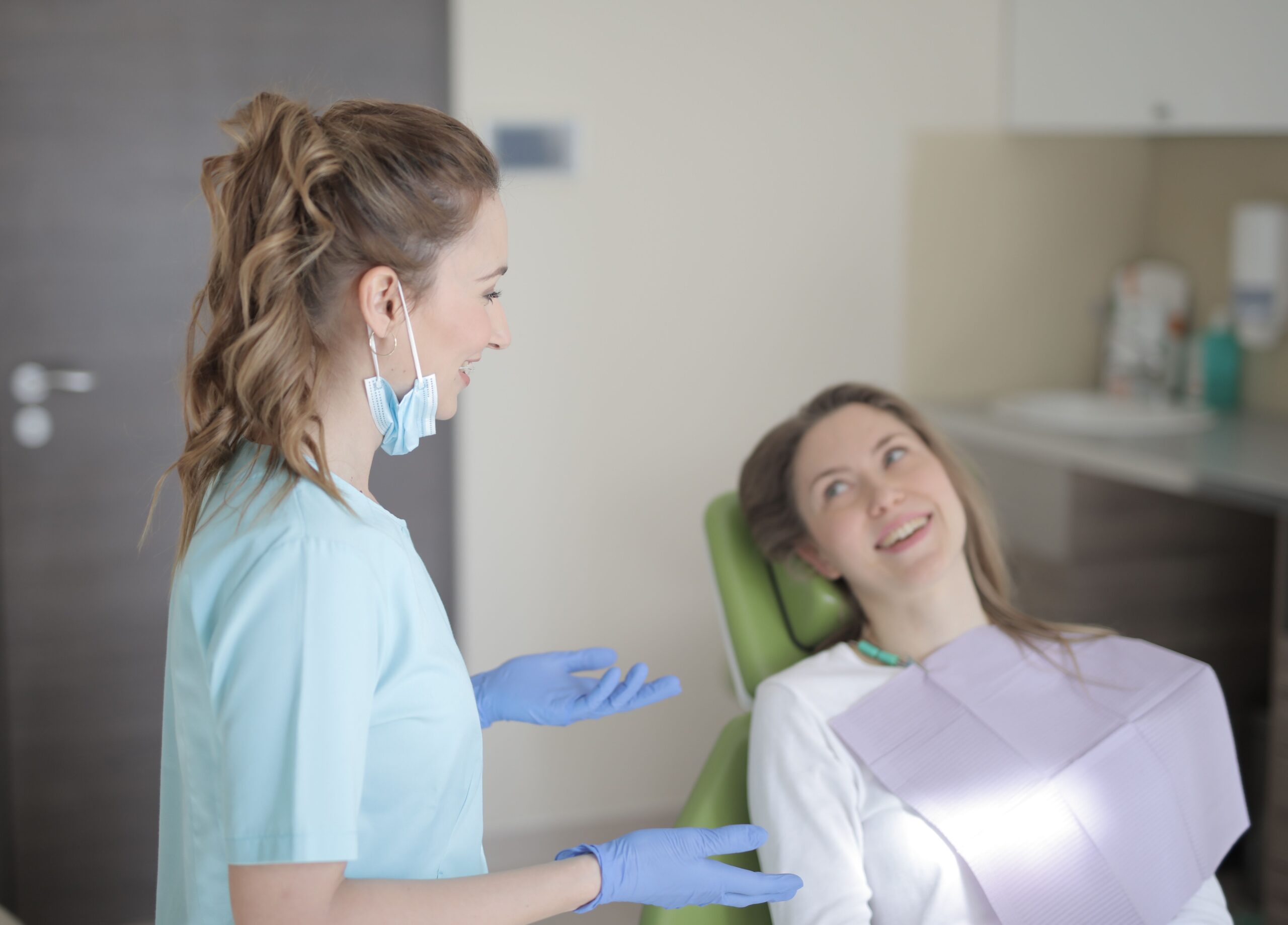
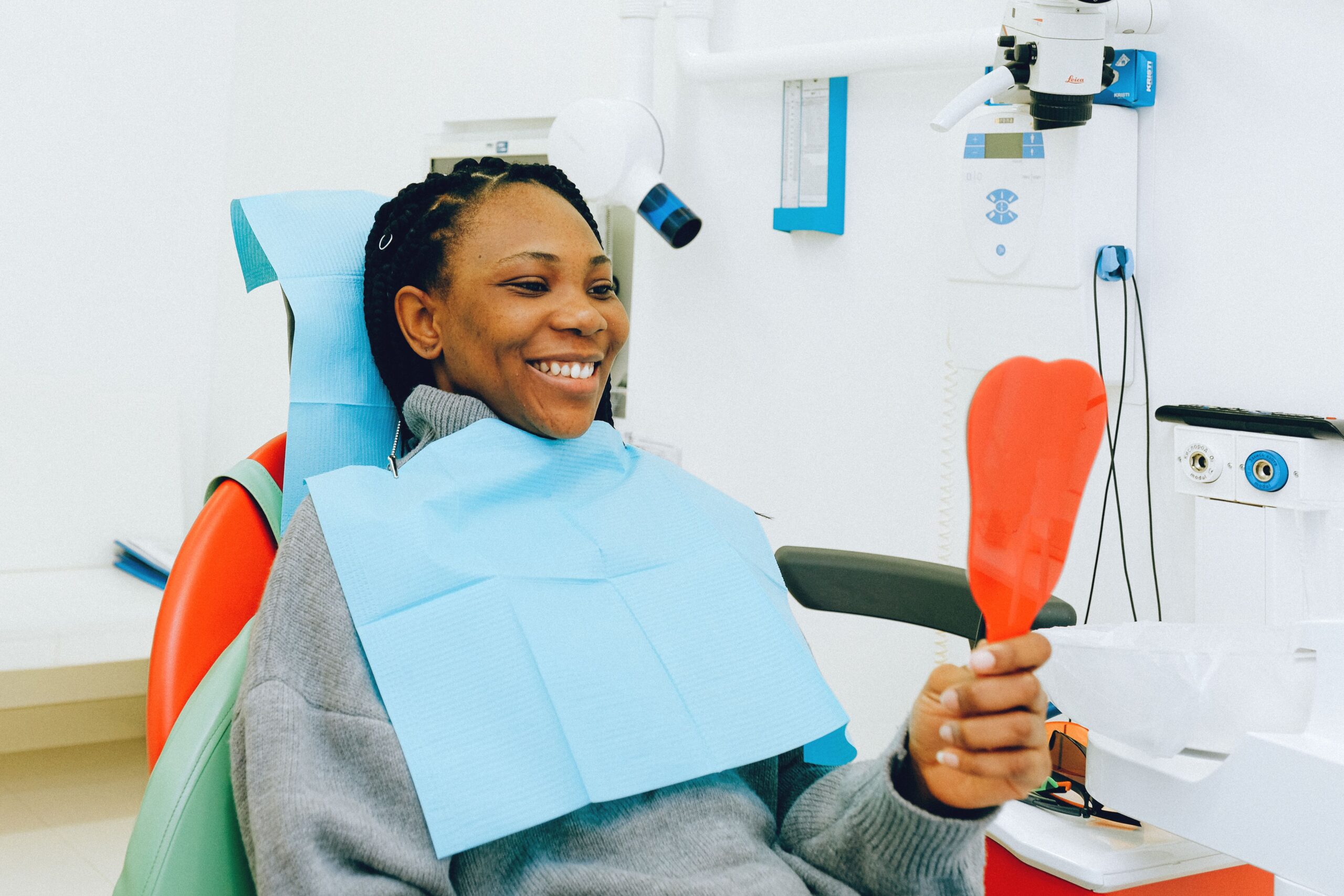
Many people feel content with their teeth overall, yet still want to address one specific detail, whether that is subtle discolouration, a minor asymmetry, or slight misalignment. Learning how to improve your smile often starts with small, targeted treatment rather than extensive work.
The best place to start is with the change that matters to you. From there, you can look at what is possible, what each option involves, and whether your teeth and gums are healthy enough for treatment.
Start With What You Would Like to Change
Wondering how to get a better smile without changing everything? Try describing the concern rather than choosing a procedure first. “I would like this tooth to look less chipped” gives your dentist a clearer starting point than “I need veneers.”
It helps to think about four things:
- Colour. Are your teeth darker or more stained than you would like?
- Shape. Is there a chip, an uneven edge, or a tooth that looks different?
- Spacing. Are you concerned about a small gap or crowded teeth?
- Function. Is a worn or damaged tooth affecting how you bite?
Your dentist can check what sits behind the concern and explain which smile improvement options suit your situation.
Describe the problem, not the solution
Patients who arrive asking for a specific procedure sometimes end up with more treatment than they needed. Pointing at the tooth that bothers you leaves room for the simpler answer to come up first.
Keep Up With the Basics First
Some changes in how your smile looks come down to plaque, surface staining or gum health. Regular brushing with fluoride toothpaste, cleaning between your teeth, and keeping up with dental appointments all help maintain a healthy look.
A professional cleaning removes some surface stains, but it does not change the natural shade of your teeth. If the colour still bothers you after a cleaning, that is the point to ask your dentist what whitening can realistically achieve.
Match the Concern to a Treatment
Once you know what you want changed, the shortlist narrows quickly. This is how the most common concerns usually map to treatment.
| What is bothering you | What to ask your dentist about |
|---|---|
| Teeth look dull or stained | A cleaning first, then whitening if the natural shade is still the issue. |
| One small chip or uneven edge | Bonding, which adds material rather than removing any. |
| Several front teeth look worn or uneven | Veneers, and what the enamel preparation involves. |
| Crowding or noticeable gaps | Tooth movement, assessed before any surface treatment. |
| A tooth that is worn or damaged | Restoring strength first, since appearance follows from that. |
If it is staining, ask about whitening
Whitening lightens natural teeth affected by certain stains and by changes over time. Discover Dental offers Zoom!® professional teeth whitening in Kelowna.
Results vary, and whitening does not lighten existing crowns, veneers or fillings. Your dentist checks for decay, gum concerns and sensitivity before recommending whether whitening suits you.
If it is a small chip or gap, consider bonding
A chipped edge or slightly uneven tooth often improves with bonding. This involves applying tooth-coloured resin, shaping it, and polishing it to blend with the tooth.
Our dental bonding in Kelowna service suits smaller changes, and there are situations where bonding handles minor damage without needing veneers at all. Bonding can chip or stain over time, so we check your bite and explain what maintenance to expect.
If it is the shape of several teeth, discuss veneers
Veneers are thin coverings placed on the front of teeth to change their visible shape or colour. They are one of several cosmetic treatments for a better smile, though they are not the right answer for every concern.
With porcelain veneers in Kelowna, some enamel usually needs to be removed to make room for the veneer. Because that preparation generally cannot be reversed, your dentist will also talk through the alternatives before you commit.
Veneer preparation is a one-way step
Once enamel has been reduced, the tooth will always need a covering of some kind. That is not a reason to avoid veneers, but it is the one decision in cosmetic dentistry worth sitting with before you say yes.
If it is alignment or damage, look beyond surface changes
Crowded or unevenly spaced teeth are usually better assessed for tooth movement than covered with veneers. Moving a tooth into a better position solves the cause, while a covering only hides it.
For a tooth that is more seriously worn or damaged, restoring its strength matters as much as how it looks. CEREC technology allows some of these restorations to be completed in a single visit, and same-day ceramic restorations suit many but not every tooth.
If you want to see how these procedures compare side by side before narrowing anything down, our guide to cosmetic dental treatment options sets them out against each other.
How to Enhance Your Smile Without Losing Its Natural Look
If you are thinking about how to enhance your smile, there is no rule that every tooth has to be the same shade or shape. Small adjustments often address the feature that bothers you while keeping the character of your smile intact.
Talk about the result you want and what you would prefer to leave unchanged. Your dentist can explain what is achievable and set out any trade-offs before you decide.
Bring a photo of yourself
An older photo you like is more useful than a photo of someone else’s teeth. It shows your dentist the version of your own smile you are trying to get back to.
Think About Maintenance, Time and Cost
If you are improving your smile with cosmetic dentistry, it is worth thinking about what happens after treatment. Whitening needs refreshing, bonding sometimes needs repairs, and veneers or crowns eventually need replacing. Your dental habits and the condition of your teeth both affect how long results last.
Costs vary by treatment and by what your teeth need first. What cosmetic dentistry costs in Canada depends on several factors worth understanding before you plan anything, and we can discuss fees and what your insurance plan covers before treatment starts.
Not sure which smile improvement options apply to you?
You do not need a treatment picked out. Pointing at the tooth that bothers you is enough to start the conversation.
Talk It Through With Discover Dental
You do not need to arrive with a treatment picked out. When you see a dentist in Kelowna, you can show us the tooth or feature you are concerned about, ask what is possible, and discuss whether a simpler approach would work just as well.
At Discover Dental, we examine your teeth, gums and bite, then explain the suitable choices without pressure. If you are weighing up how to improve your smile, that conversation is the place to begin.
Frequently Asked Questions
Should I replace old fillings before whitening my teeth?
Usually after, not before. Whitening gel does not lighten filling material, so a filling matched to your old shade can stand out once the teeth around it lighten. The practical order is to whiten first, let the shade settle for a week or two, then replace any visible fillings to match the new colour.
How soon will I see a difference after treatment?
It depends which treatment you have. In-office whitening and bonding both show a change the same day you have them done. Veneers and crowns take longer because they are custom made, so the visible result arrives at the fitting appointment rather than the first one. Your dentist can give you the timeline for your specific plan.
What should I think about before a cosmetic consultation?
Two things help more than anything else. First, know which tooth or feature actually bothers you, since that is more useful than a general wish to look better. Second, decide what you would rather leave alone. Knowing what you do not want changed shapes the plan as much as knowing what you do.
Can I have cosmetic treatment after braces or clear aligners?
Yes, and that sequence is common. Moving teeth into position first often reduces how much cosmetic work is needed afterwards, because some of what looked like a shape problem turns out to be a position problem. Whitening is usually left until the teeth have settled and any attachments have been removed.
What happens if I am not happy with how it looks?
Say so early, because the options depend on the treatment. Bonding can be reshaped or polished in the chair. Veneers and crowns are usually tried in before they are permanently fitted, which is the point to raise anything about shape or shade. Asking what the review stage looks like, before you start, is worth doing for any treatment.