Not every cosmetic dental concern requires veneers. While veneers are an excellent option for certain smile transformations, many patients with small chips, minor gaps, or slight discoloration can benefit from a more conservative treatment. Cosmetic bonding is often a simple and effective way to restore tooth appearance while preserving natural tooth structure.
At Discover Dental, cosmetic treatment planning focuses on recommending the most appropriate option based on the patient’s needs, tooth condition, and long-term oral health goals. Understanding when bonding may be a better choice than veneers helps patients make confident and informed decisions about their smile.
What Is Cosmetic Dental Bonding?
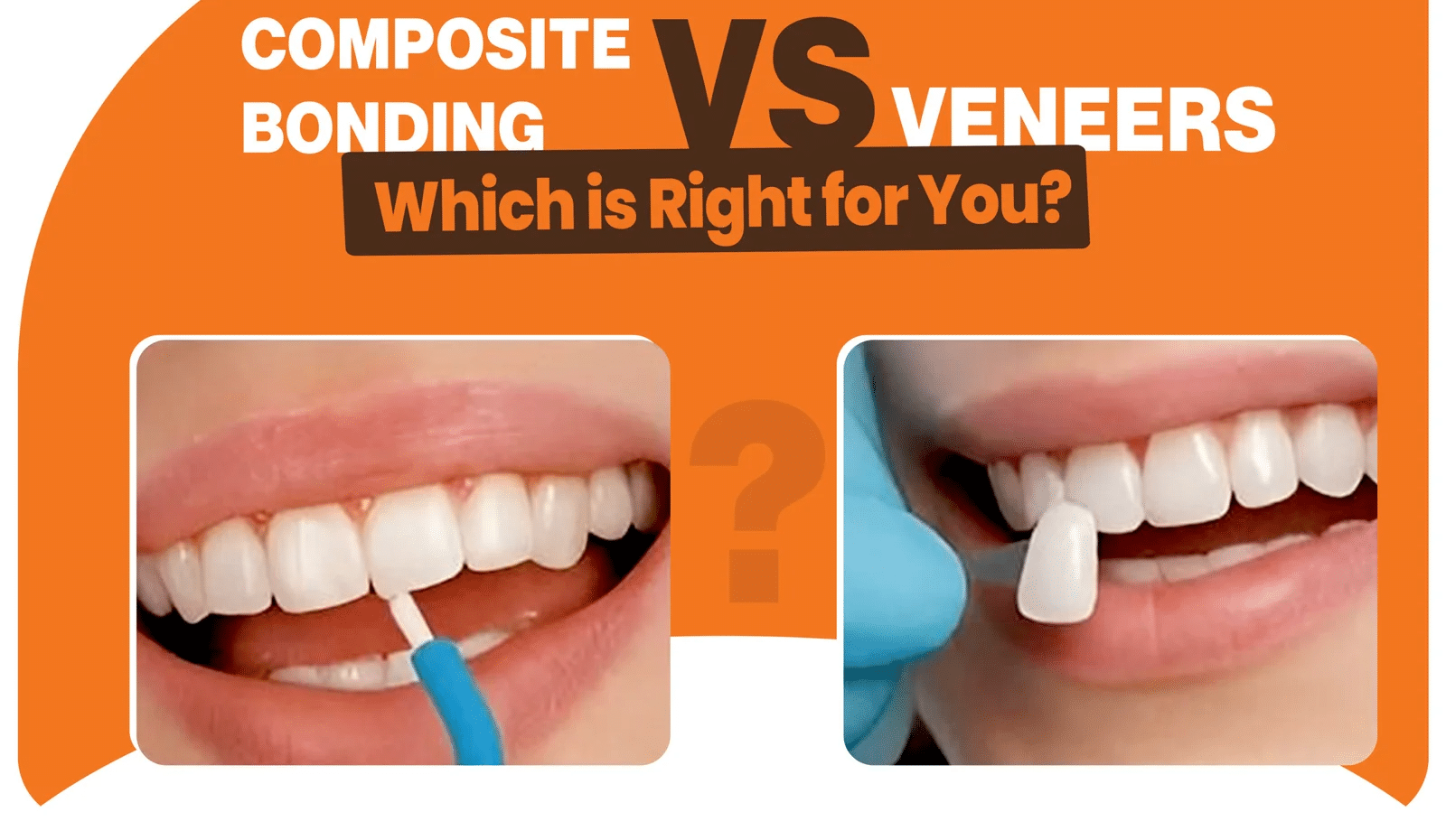
Cosmetic bonding is a treatment where a tooth-coloured resin material is applied directly to the tooth surface. The material is carefully shaped and hardened using a special curing light, allowing it to blend naturally with surrounding teeth.
Bonding is commonly used to repair:
- Small chips or cracks
- Minor spacing between teeth
- Slight tooth shape irregularities
- Mild discoloration
- Small areas of enamel wear
This treatment is typically completed in a single appointment, making it convenient for many patients.
Why Some Patients Choose Bonding Instead of Veneers
Veneers are designed for larger cosmetic transformations, while bonding is ideal for smaller improvements. Bonding is often recommended when patients want to improve their smile without major dental modification.
Bonding may be recommended when:
- Cosmetic damage is minor
- Only one or two teeth need correction
- Patients prefer conservative treatment
- Treatment cost is a consideration
- Minimal enamel removal is preferred
For many patients, bonding offers a balance between cosmetic improvement and tooth preservation.
How Bonding Helps Preserve Natural Tooth Structure
One of the biggest benefits of cosmetic bonding is that it usually requires little to no enamel removal. This makes bonding one of the most conservative cosmetic treatments available.
Preserving enamel is important because:
- Enamel does not regenerate
- Strong enamel supports long-term tooth strength
- Conservative treatment protects future treatment options
Many patients choose bonding because it maintains the natural integrity of their teeth.
When Veneers May Still Be the Better Choice
While bonding works well for minor cosmetic issues, veneers may be recommended when changes need to be more significant.
Veneers may be suggested for:
- Severe or deep discoloration
- Multiple damaged teeth
- Significant shape corrections
- Larger spacing concerns
- Full smile cosmetic transformations
A professional consultation helps determine which treatment will provide the best long-term result.
What to Expect During Cosmetic Bonding Treatment
Cosmetic bonding is usually quick and comfortable. In many cases, anesthesia is not required unless bonding is used to repair decay or more serious damage.
Typical bonding steps include:
- Preparing and cleaning the tooth surface
- Applying bonding resin
- Sculpting the material to match the tooth shape
- Hardening using a curing light
- Polishing for a natural finish
Most patients return to normal activities immediately after treatment.
How Long Does Cosmetic Bonding Last?
Cosmetic bonding can last several years when properly maintained. Longevity depends on oral hygiene habits, bite pressure, and lifestyle factors.
To help bonding last longer:
- Avoid biting hard objects like ice
- Maintain regular dental visits
- Brush and floss consistently
- Limit staining foods and drinks
Routine dental visits help monitor the bonding condition over time.
Benefits of Cosmetic Bonding
Cosmetic bonding offers several advantages for appropriate cases:
- Conservative treatment approach
- Often completed in one visit
- Lower cost compared to some cosmetic options
- Natural-looking appearance
- Minimal tooth preparation
These benefits make bonding a popular option for small cosmetic improvements.
Who Is a Good Candidate for Cosmetic Bonding?
Patients with minor cosmetic concerns and healthy teeth and gums are often good candidates for bonding.
A professional evaluation helps determine candidacy based on:
- Tooth structure
- Bite alignment
- Gum health
- Cosmetic goals
- Long-term durability expectations
Personalized treatment planning helps ensure successful results.
Cosmetic Bonding as Part of a Smile Enhancement Plan
In some cases, bonding is combined with other cosmetic treatments to achieve balanced results. A customized treatment plan ensures both cosmetic improvement and functional stability.
Every smile is unique, which is why individualized treatment planning is important.
The Importance of Professional Cosmetic Evaluation
Choosing between bonding and veneers depends on many factors, including tooth condition, cosmetic goals, and expected longevity. Professional evaluation helps ensure the most appropriate treatment is selected.
At Discover Dental, cosmetic treatment planning focuses on balancing appearance with long-term oral health. Patients receive clear explanations of treatment options and realistic expectations.
Schedule a Cosmetic Consultation at Discover Dental
If you have minor tooth damage or cosmetic concerns, a professional evaluation can help determine the best treatment option. Discover Dental provides personalized cosmetic treatment planning focused on conservative and natural-looking results.
If you are looking for a trusted Kelowna Dentist or want to learn more about cosmetic bonding in Kelowna or veneers in Kelowna, call (778) 477-5554 to schedule your consultation and explore your cosmetic treatment options.