That tooth pain that comes and goes? Pay attention to it
You bite into something and feel a quick, sharp jab. A sip of cold water makes one tooth flinch for a second, then it stops. Nothing showed up at your last checkup. The tooth looks completely normal.
So you let it go. Again.
This is exactly how cracked tooth syndrome tends to go. The pain is real but inconsistent. It doesn’t show up on a standard X-ray. And because it comes and goes, it feels easy to dismiss. The problem is that a crack in your tooth will not fix itself. It either stays the same or it gets worse, and the longer it’s left, the fewer options you have.
What is cracked tooth syndrome?
Cracked tooth syndrome (CTS) is a condition where a fracture develops in a tooth, sometimes too small to see or detect on imaging, but large enough to cause real symptoms. Unlike a cavity, which tends to cause a dull, ongoing ache, a cracked tooth usually produces sharp, fleeting pain tied specifically to biting or temperature changes.
Back molars are the most commonly affected teeth because they take on the most chewing force day after day. But cracks can develop in any tooth, at any age.
The five types of tooth cracks
Not all cracks are equal. Where the crack sits, how deep it goes, and which direction it runs all determine what treatment looks like.
Craze lines are hairline cracks in the outer enamel only. They don’t hurt and don’t need treatment. Most adults have a few and never know it.
A fractured cusp is a crack that forms around an existing filling. A small piece of enamel breaks away. Usually manageable with a new crown or filling.
A cracked tooth is a vertical crack running from the biting surface down toward the gum line. This is the classic CTS presentation. The tooth hasn’t split, but the crack is progressing. Early treatment here genuinely changes the outcome.
A split tooth is when a crack has gone far enough to divide the tooth into two sections. Part of the tooth may be saved depending on the location, but full preservation is unlikely.
Vertical root fracture starts below the gum line and moves upward. It can go undetected until an infection develops. This type almost always requires extraction.
Symptoms worth taking seriously
The tricky part about CTS is that symptoms don’t follow a clean, predictable pattern. They come and go. They shift. Some days, nothing hurts at all.
Watch for these:
- Sharp pain when biting down that disappears as soon as you release pressure
- Sensitivity to cold, hot, or sweet foods that lasts a moment, then fades
- Discomfort that’s specific to one side of your mouth when chewing
- Gum tenderness or slight swelling near one particular tooth
- A tooth that just feels “off” when you bite, even if you can’t describe it clearly
- Occasional visible crack lines on the tooth surface
That release-of-pressure pain is probably the most telling sign. It happens because biting forces the crack open slightly, and releasing the bite lets it close again. That movement irritates the inner layers of the tooth and the nerve.
If you’ve been managing more than one of these on and off, it’s worth getting the tooth assessed before the crack travels further.
Why teeth crack
Cracked teeth rarely come from one dramatic event. More often, it’s a slow buildup of stress on the tooth over time.
- Grinding or clenching (bruxism) is one of the most common causes, especially in people who do it at night without realizing it
- Chewing hard foods repeatedly, including ice, hard candies, and popcorn kernels
- Large or older fillings that have weakened the surrounding tooth structure over the years
- Trauma from a fall, sports injury, or accidentally biting down hard on something unexpected
- Age, because teeth become more brittle over time and are less able to absorb repeated stress
What happens if you ignore it
A crack does not heal on its own. Enamel has no ability to repair itself the way bone does. Left untreated, a crack that could have been managed with a crown may eventually reach the pulp, require a root canal, or split far enough below the gum line that extraction becomes the only option.
Beyond the structural problem, a crack that reaches the inner pulp opens the door to bacterial infection. That brings swelling, serious pain, and potential spread to the surrounding bone and tissue.
Treating a cracked tooth early is almost always simpler, less expensive, and less invasive than treating it after the damage has progressed.
How is cracked tooth syndrome treated?
Treatment depends entirely on how deep the crack goes and what structures are involved.
Dental bonding works well for small, surface-level cracks. Composite resin fills and seals the fracture in a single appointment.
A dental crown is the most common treatment. It wraps around the entire tooth, holds the crack together, and protects against further fracture under biting force. At Discover Dental, we offer CEREC same-day crowns, designed, milled, and fitted in one visit.
Root canal treatment is needed when the crack has reached the pulp and caused infection or inflammation. The root canal clears the damage inside the tooth, and a crown is placed over it to protect the remaining structure.
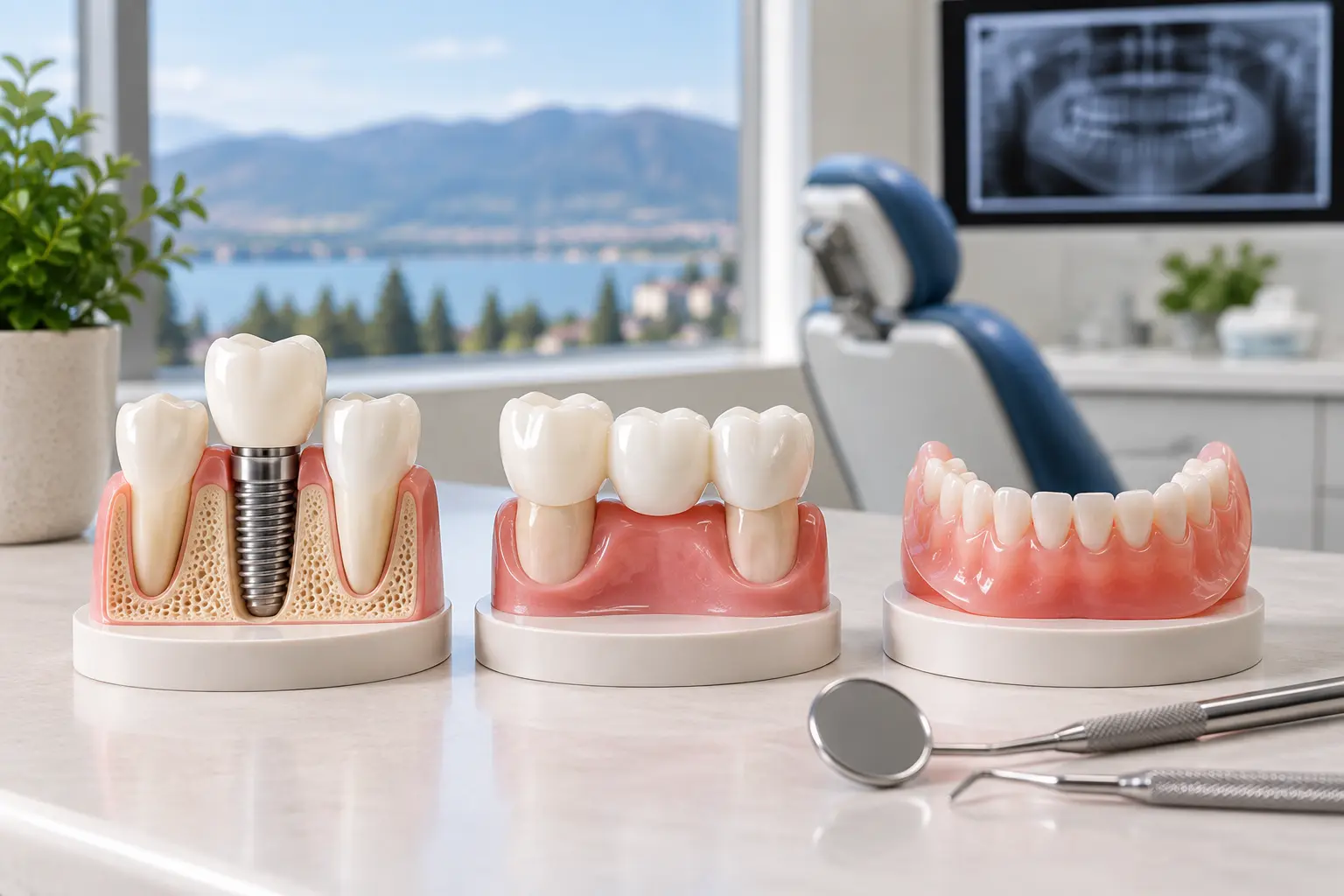
Extraction is the last resort, used when the crack runs deep into the root below the bone, and the tooth cannot be saved. A dental implant or bridge can replace the tooth afterward.
Simple habits that protect your teeth
You can lower your risk considerably with a few consistent habits:
- Wear a custom nightguard if you grind your teeth, even occasionally
- Stop chewing ice and hard candy as a regular habit
- Get cavities filled without delay, so decay doesn’t weaken tooth walls
- Use a mouthguard during contact sports and recreational activities
- Keep up with regular checkups so small cracks are spotted before they grow
Kelowna patients, don’t sit on this one
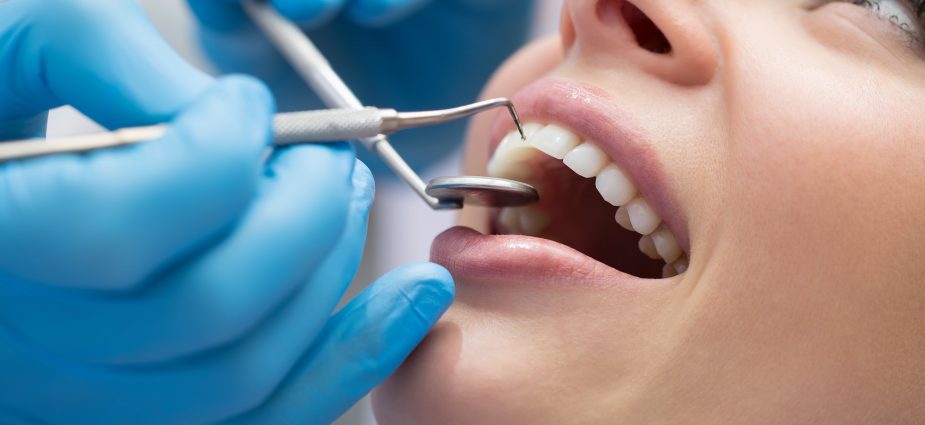
At Discover Dental, Dr. Jeremie Hallet and our team have been treating patients across Kelowna and the Okanagan since 2004. We use digital X-rays, magnification tools, and bite testing to locate cracks that standard imaging can miss. Our private treatment rooms are designed to keep you comfortable, with optional nitrous oxide and oral sedation available for patients who feel anxious.
We welcome new patients and families from Kelowna, Lower Mission, Rutland, West Kelowna, Lake Country, Peachland, Summerland, and surrounding communities. If you’ve been looking for a dentist in Kelowna who takes tooth pain seriously, we’re here.
Call (778) 477-5554.